Hit Point Press
Amina
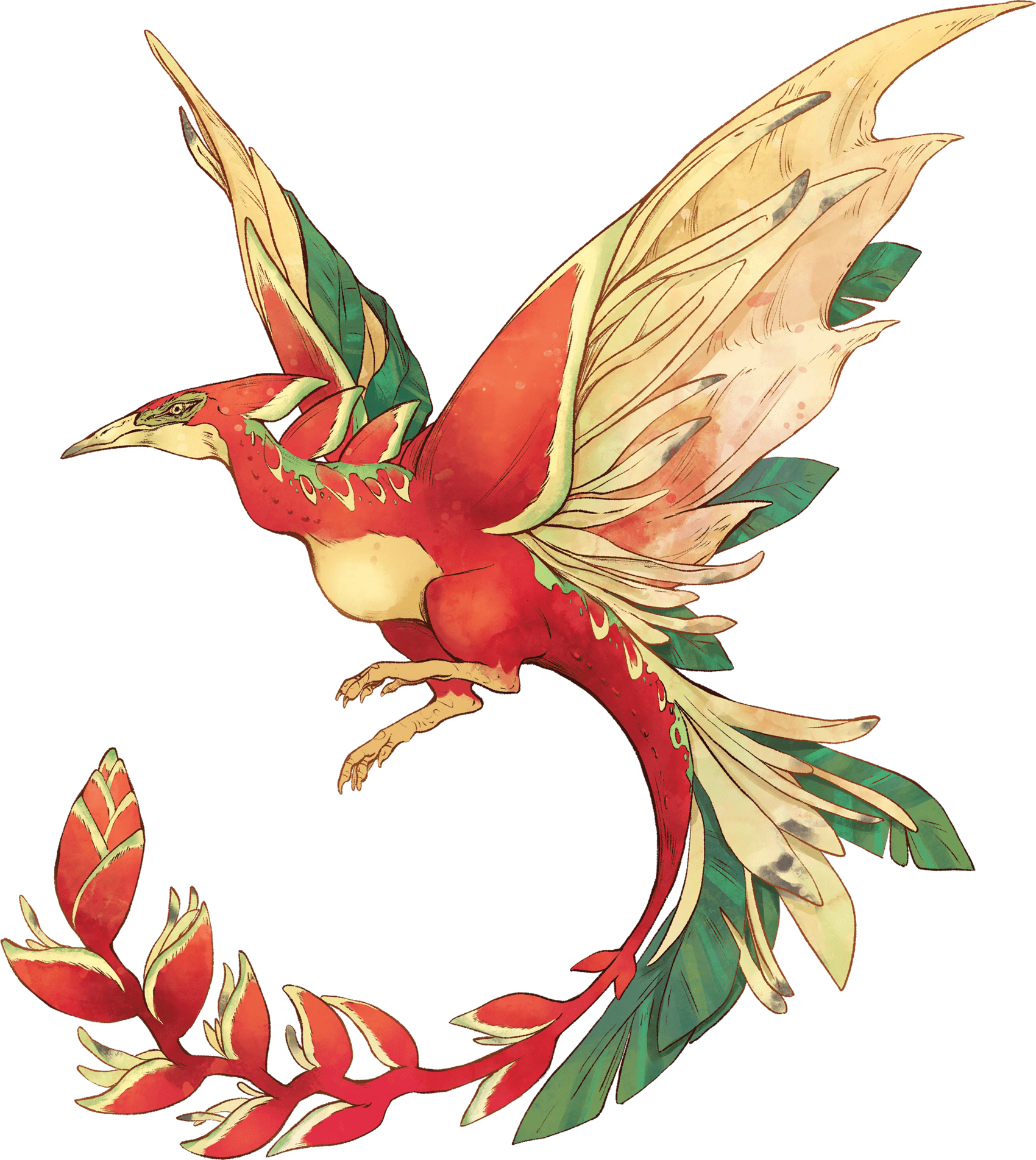
Heliconia dragons boast distinctive plumage and dramatic tails.
The Heliconia Dragon’s Song
Legends say that there once was a flightless dragon called Kaisoferth who loved to sing. She made her home in the jungle, surrounded by lush vegetation and magical talking flowers. Kaisoferth sang to greet the friendly hummingbirds’ chirps in the morning and sang herself to sleep at night as the heliconia flowers opened. The whole jungle loved Kaisoferth’s songs.
As the seasons turned, the hummingbirds prepared to migrate. Kaisoferth longed to join them, but she would never be able to keep up with her friends on foot. The dragon loved her home, but she longed to see other places and fill her heart with new songs.
On the last day before their journey began, the hummingbirds came to join Kaisoferth for her daily song, but she remained silent. The hummingbirds asked what was wrong. Kaisoferth lamented that she couldn’t fly like them. Even when she tried to sing for them, she could only produce a wistful croak.
The hummingbirds hated to see their friend so dejected and missed her singing. The birds told the magical heliconia flowers, and together they planned to help Kaisoferth. That night, as the heliconia flowers opened they offered to magically grant Kaisoferth the wings she desired. Kaisoferth readily agreed. Once transformed, she again sang with joy at becoming a heliconia dragon. Her descendants bear her friends’ gifts: wings and a long beak from the hummingbirds and the gorgeous leafy plumage from the heliconia flowers.
Caption
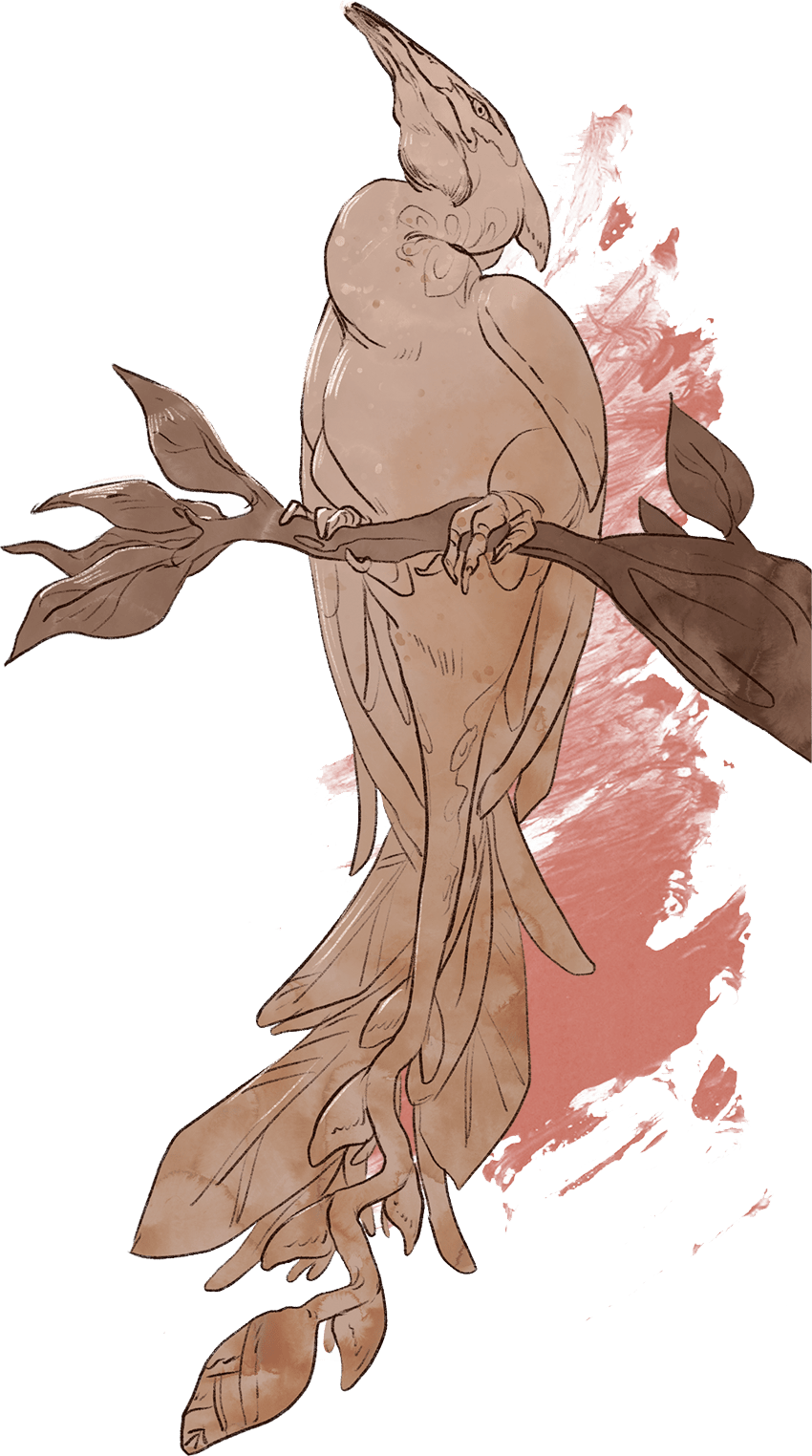
Fig. 1. A heliconia dragon perches proudly on a branch.
Physiology
These bird-like dragons sport a set of talons which they uses to cling to branches and a sharp, woody beak. Heliconia dragons only grow to be 1 to 2 feet in length, not including their long tails. Wild heliconia dragons have an average lifespan of 50 years, but domesticated dragons have been known to live to 75.
The heliconia dragon is notable for its vivid coloring and its broad green leaves. These large leaves grow from its wings and at the base of its trailing tail. Water collects in the bracts that grow from the stem of its tail. The heliconia’s true flowers are hidden within these leaf-shaped bracts. Heliconia dragons come in red, orange, or yellow varieties, but during the mating season, the crest on a heliconia dragon’s head flushes deep pink or purple.
The song of a heliconia dragon is heartbreakingly beautiful. Thanks to a specialized organ in their throat called a syrinx, heliconias can sing with two voices at once. Heliconia dragons only communicate in song, singing in Draconic or making beguiling, wordless music.
Habitat
Heliconia dragons make their homes in lush jungles and dense forests. They build nests with twigs and leaves near the treetops and return during the day to sleep.
The heliconia dragon’s flowers are vital to their local ecosystems; they cross-pollinate with true heliconia plants and serve as a source of food for hummingbirds and bats.
Amina
Zethandriel knows how to entice me on an expedition. They told me about the heliconia dragons’ songs and I set off immediately. This one was perched on a branch high above my head. I sang to it, and it sang back! I couldn’t understand what it was saying and I have no idea if it could understand me, but I feel like we connected on some level. Who knows!?
Behavior
Heliconia dragons mainly eat fruits, seeds, and small invertebrates. If they are lucky enough to live in the vicinity of a magnolia dragon, a single fruit from the larger dragon’s tail is enough to feed half a dozen heliconia dragons.
During mating season, heliconia dragons partner up if they like the shade of pink or purple on a potential mate’s head crest. A heliconia dragon lays eggs in clutches of four to six, which hatch only 12 days later. Wyrmlings are vulnerable in the first 10 days of their lives. During this time, the adult heliconias take turns gathering food and guarding their young. Heliconia parents collect rainwater in their tails for their young to drink until they can leave the nest. After three weeks, the mature wyrmlings depart, and the parents go their separate ways. Female heliconia dragons can also reproduce without the need for a mate if they are polinated by a hummingbird that is carrying pollen from a true heliconia plant.
Heliconia dragons do not enjoy violence, but when faced with the choice of defending their wyrmlings or saving themselves, the heliconias always choose to protect their young. They try to charm their attackers with their song, using magic to end the fight. Failing that, they peck and scratch viciously.
Caption
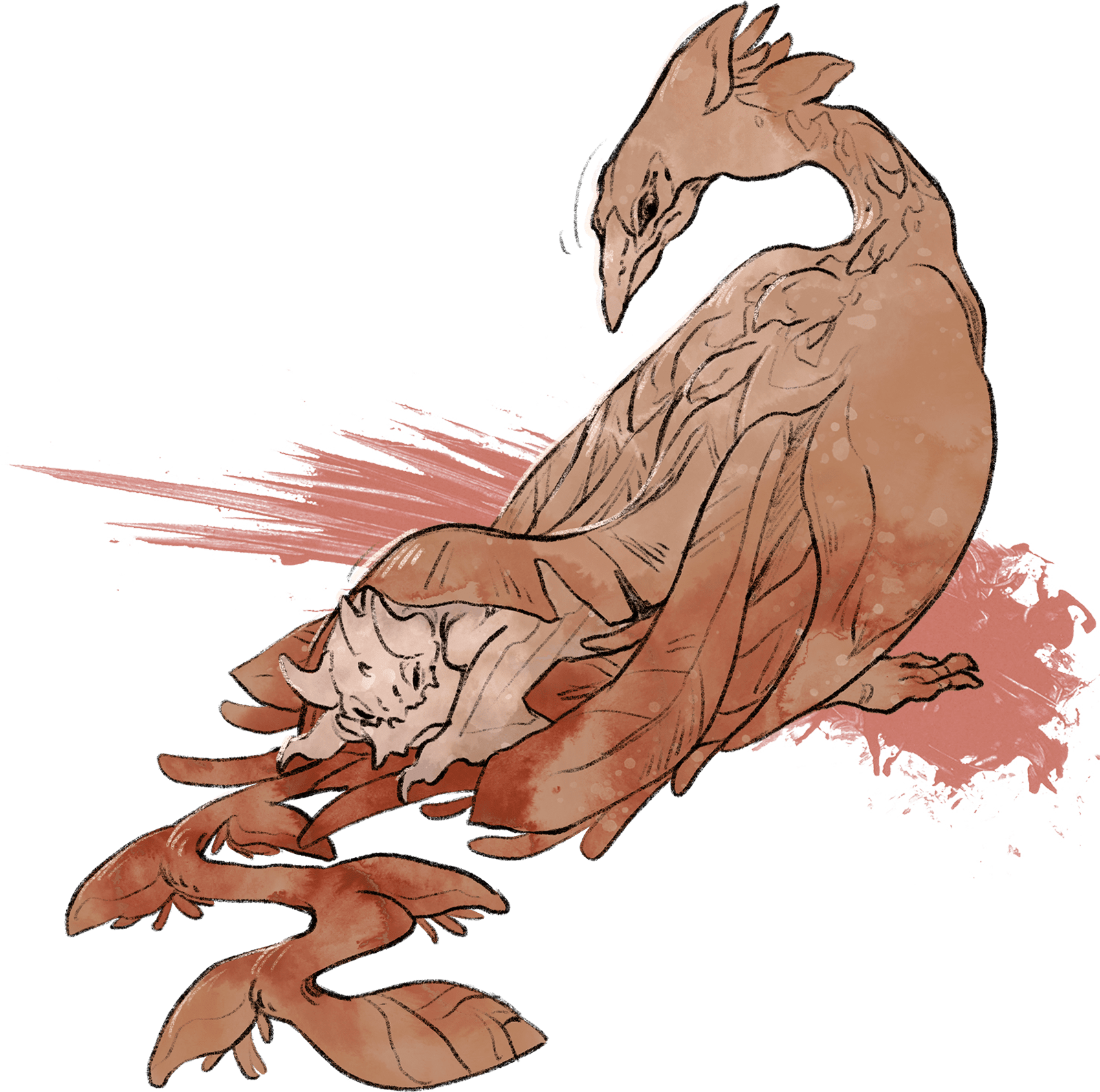
Fig. 2. Heliconia dragons provide shelter for jade vine dragons.
The biggest threat to heliconia dragons is the enormous hydrangea dragon, which climbs up trees and eats their eggs. The smaller heliconia can never hope to best the hydrangea in battle. Instead, it sings a charming song to dissuade the predator from eating its eggs.
Bat-like jade vine dragons have a close and mutually beneficial relationship with heliconia dragons. Heliconias provide shelter from the elements, covering the smaller dragons with their broad wings as they nestle into the base of their tail. Both dragons take turns sleeping and watching for predators. Close observation of this relationship in the wild revealed that heliconia and jade vine dragons appear to have lasting bonds, with the same pairs reuiniting each day.
Heliconia dragons are particularly sociable not only with jade vine dragons but many other varieties of floral dragon too. Notably, heliconia dragons are one of the only species known to befriend cantankerous larkspur dragons. Such unlikely pairs bonds over their shared love for song and can be heard harmonizing together.
Researchers have noted one trait all heliconia dragons share is pride. They like to perch with their heads held high where other creatures can behold them. Heliconia dragons are drawn to form relationships with humanoids who satisfy their desire to be admired. Humanoids wanting to domesticate heliconia dragons can only attract them if hummingbirds live in the area. Heliconia dragons also require their new homes to be more appealing than their natural homes. The dragons can communicate these preferences to humanoids who understand Draconic.
Amina
I came across a heliconia dragon with an even smaller dragon under its wing. The heliconia dragon seemed content to let the smaller dragon stay there.
I’ll have to ask Izora to look into this little bat-like dragon. I mustn’t get distracted from my study of the heliconias! But it’s fascinating how all these floral dragons exist alongside each other.
Personality Traits
Heliconia Dragon Personality Traits
| d8 | Trait |
|---|---|
| 1 | I speak only in song, and I ignore everyone who doesn’t sing to me. |
| 2 | Everyone should admire my gorgeous plumage. |
| 3 | I’m shy, and I have yet to sing where anyone else can hear me. |
| 4 | You never know where the fruit from a magnolia dragon’s tail has been. I’d never eat from it. |
| 5 | I prefer to be friends with jade vine dragons than other heliconia dragons. |
| 6 | My grooming routine is meticulous. |
| 7 | No matter how hard I try, all my songs are off-key. |
| 8 | I can control the color of my head crest to ward off suitors I don’t like. |
Motivations
Heliconia Dragon Motivations
| d6 | Motivation |
|---|---|
| 1 | I have been carrying a jade vine dragon under my wing this whole time. We have a bet on how long it will take someone to notice. |
| 2 | An arrogant larkspur dragon thinks it can best me in song. I’ll show them! |
| 3 | I met another heliconia dragon last mating season, and I must find them this year too. |
| 4 | The same hydrangea dragon has eaten my clutch three years running, and I won’t let it happen again. |
| 5 | Nothing comes between me and my wyrmlings. |
| 6 | I want to be friends with more pollinators, and I am sad that they don’t like to visit. |
Adventure Hooks
Caption
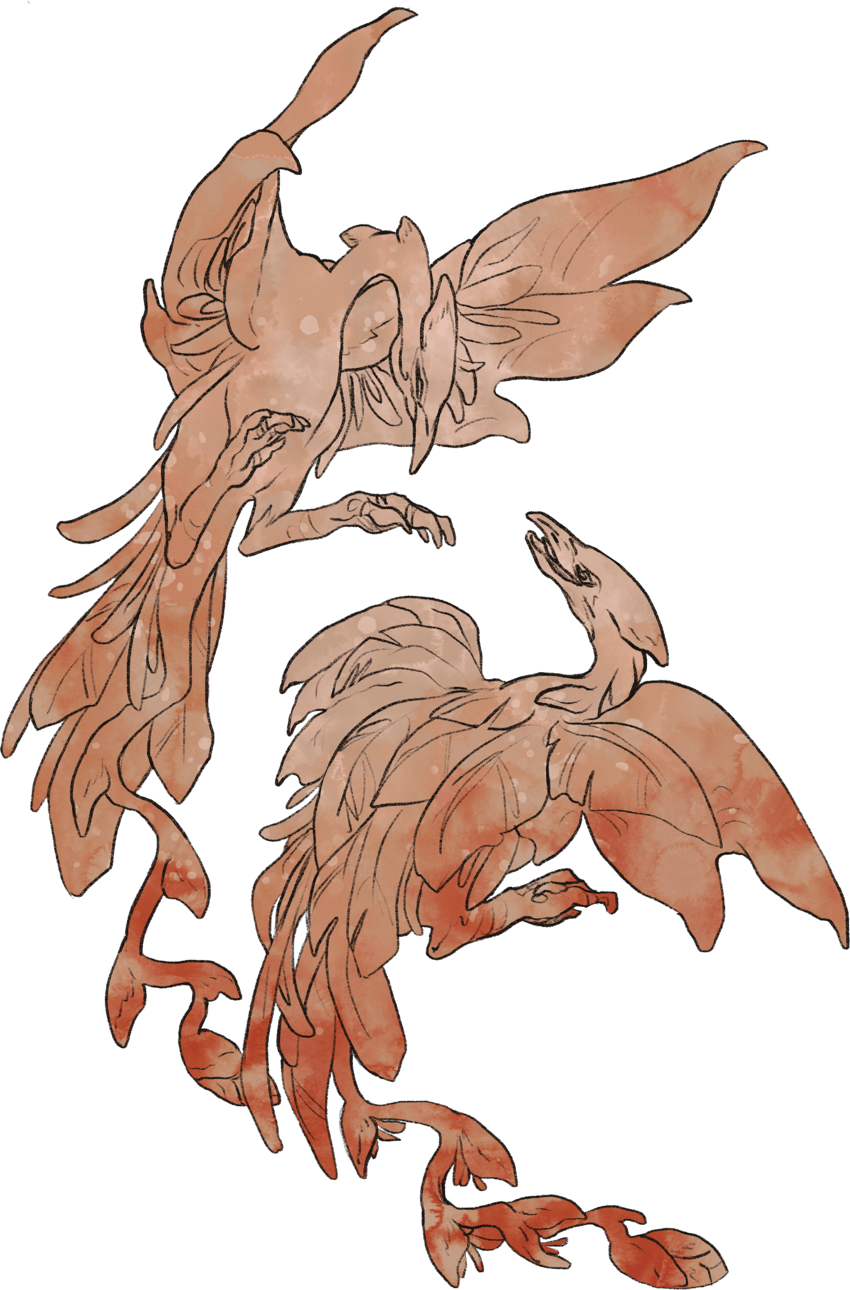
Fig. 3. Heliconia dragons always like to show off, but never more so than during the mating season.
Here are ways to include heliconia dragons in your game.
| d4 | Adventure Hook |
|---|---|
| 1 | A team of vespon-keepers is trying to manufacture the world’s first heliconia dragon honey and they need lots of heliconia dragon nectar for the experiment, as they expect several failures. |
| 2 | Researchers found a nest of jade vine dragon wyrmlings with a pair of adult heliconia dragons. They want to move the wyrmlings to a conservation area where they will be raised in captivity. The heliconia dragons appeal to the party for help. |
| 3 | A malicious mage has cursed all heliconia dragons living in a particular area. The curse has turned their songs from a soothing melody into a terrifying screech. The dragons need their songs restored and the curse lifted. |
| 4 | A farmer is breeding heliconia dragons for their eggs, hoping to entice a nearby hydrangea dragon to visit their land. One of the heliconia dragons escaped and needs the party’s help to free the others. |
Amina
There were two heliconia dragons circling each other this morning. I noticed that they were both a deep shade of purple.
After they circled each other for some time, they flew off together. The unusual coloration must be how they distinguish themselves for mating.