Hit Point Press
Izora
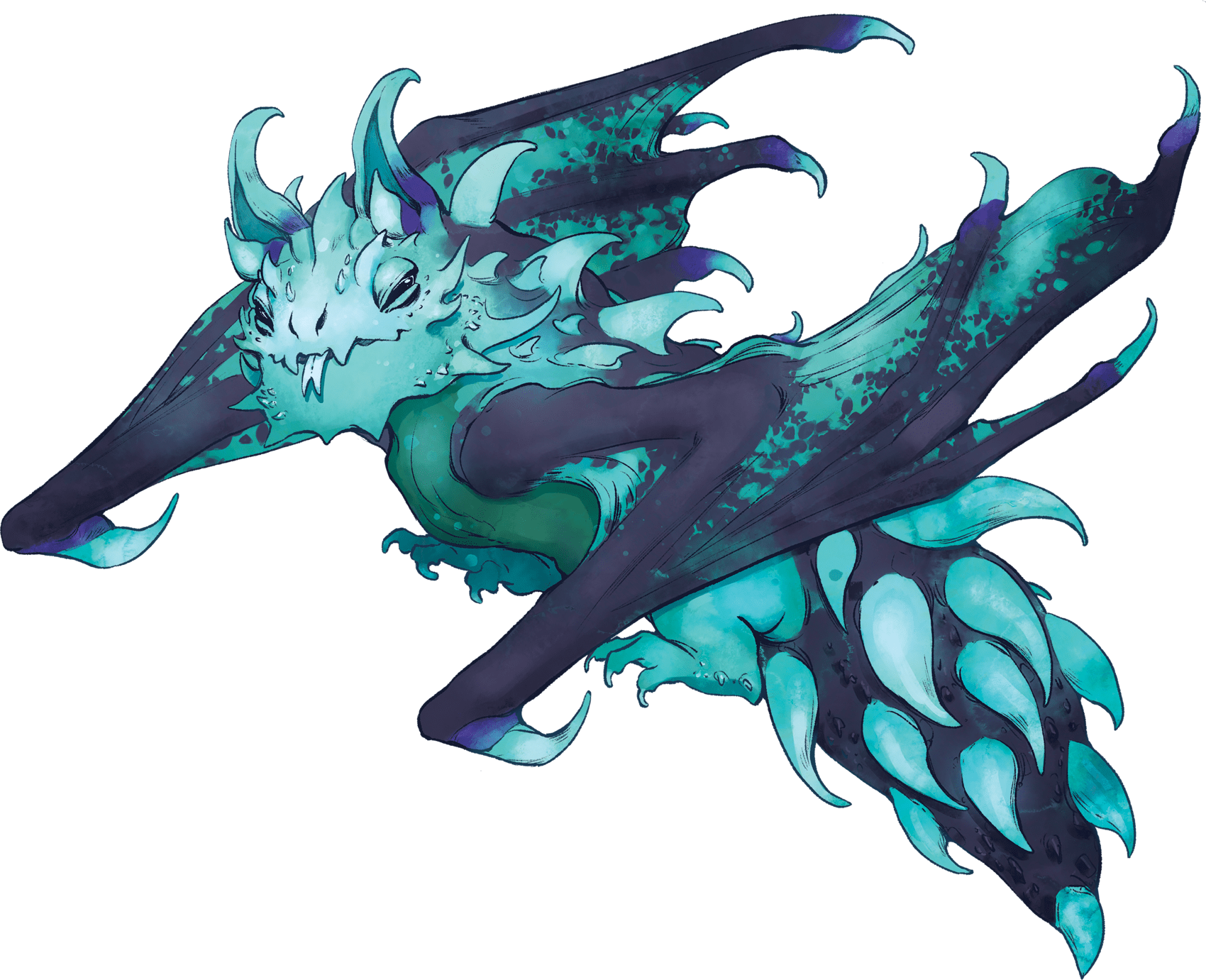
The jade vine dragon is known for its distinctive coloring.
Protecting the Jade Vine Dragon
The beautiful jade vine dragon is an endangered species. Humanoid activities—such as logging, mining, and land development—have killed countless dragons and driven many more from their homes in forests and caves.
While some druid circles work to defend the jade vine dragons’ natural habitats, other interested parties found a different solution to protect the remaining dragons: jade vine dragons could be kept in captivity to ensure their survival.
Though some of the druids were hesitant to remove the dragons from the wild, eventually, they agreed they could be kept in captivity if there was no other option. Dragons born in captivity could remain in captivity.
Though the original intentions were good, the captivity program was quickly abused by those who desired jade vines for their beauty and were uninterested in their wellbeing. Wealthy landowners used their power and influence to amass bloomings of jade vine dragons for their private collections in cramped and unsuitable environments. Ornamental jade vine dragons are trendy in the upper echelons of society, and their bean-like eggs are considered a delicacy.
Today, jade vine dragons are still endangered and face additional threats from those who purchase them not to preserve the species but for display before discarding them. There is a thriving illicit market, fueled by nobles willing to pay a premium price to keep up with the latest fashions in jade vine dragon varietals.
The druids who defended the jade vine dragons’ forest homes have been trying to establish protected areas of wilderness so the dragons can live undisturbed. However, these defenders struggle to prevent poachers and loggers from entering these sanctuaries. Land habitable by jade vine dragons recedes by the day, and the druids worry the species will eventually only be able to survive in a domesticated form.
Physiology
Caption
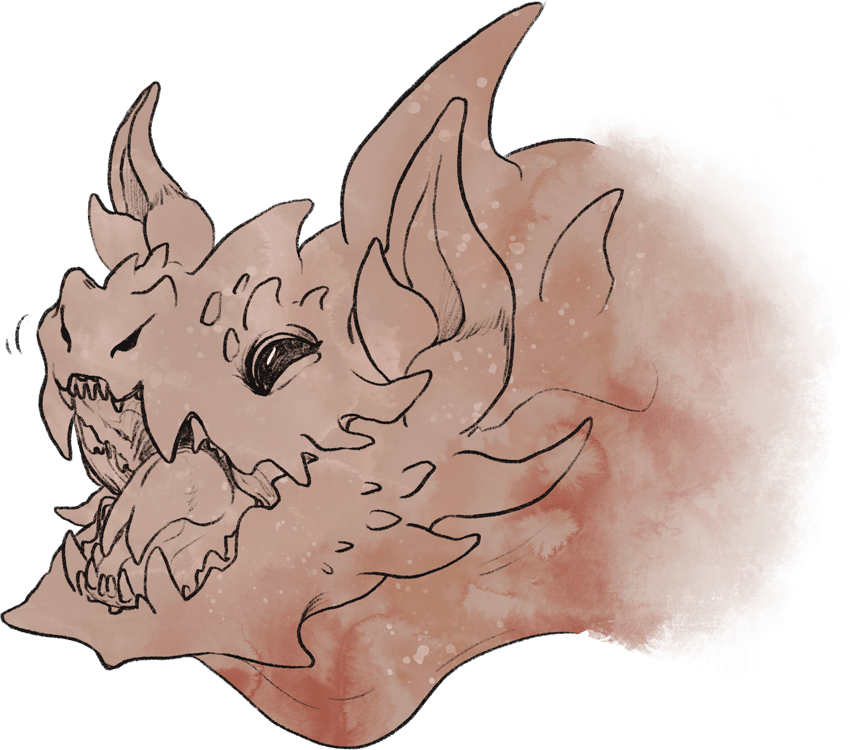
Fig. 1 The jade vine dragon squeaks, revealing its forked tongue and sharp teeth.
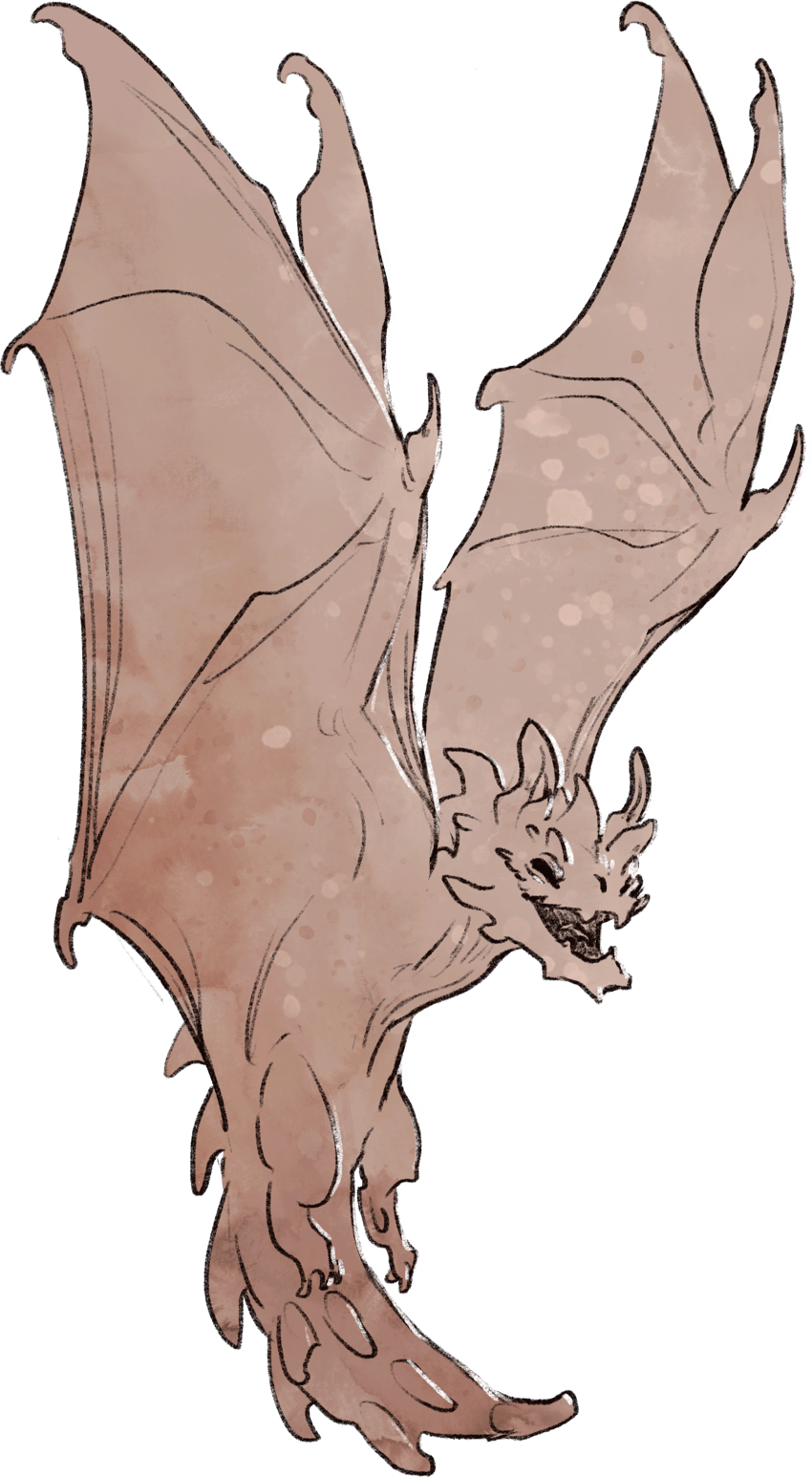
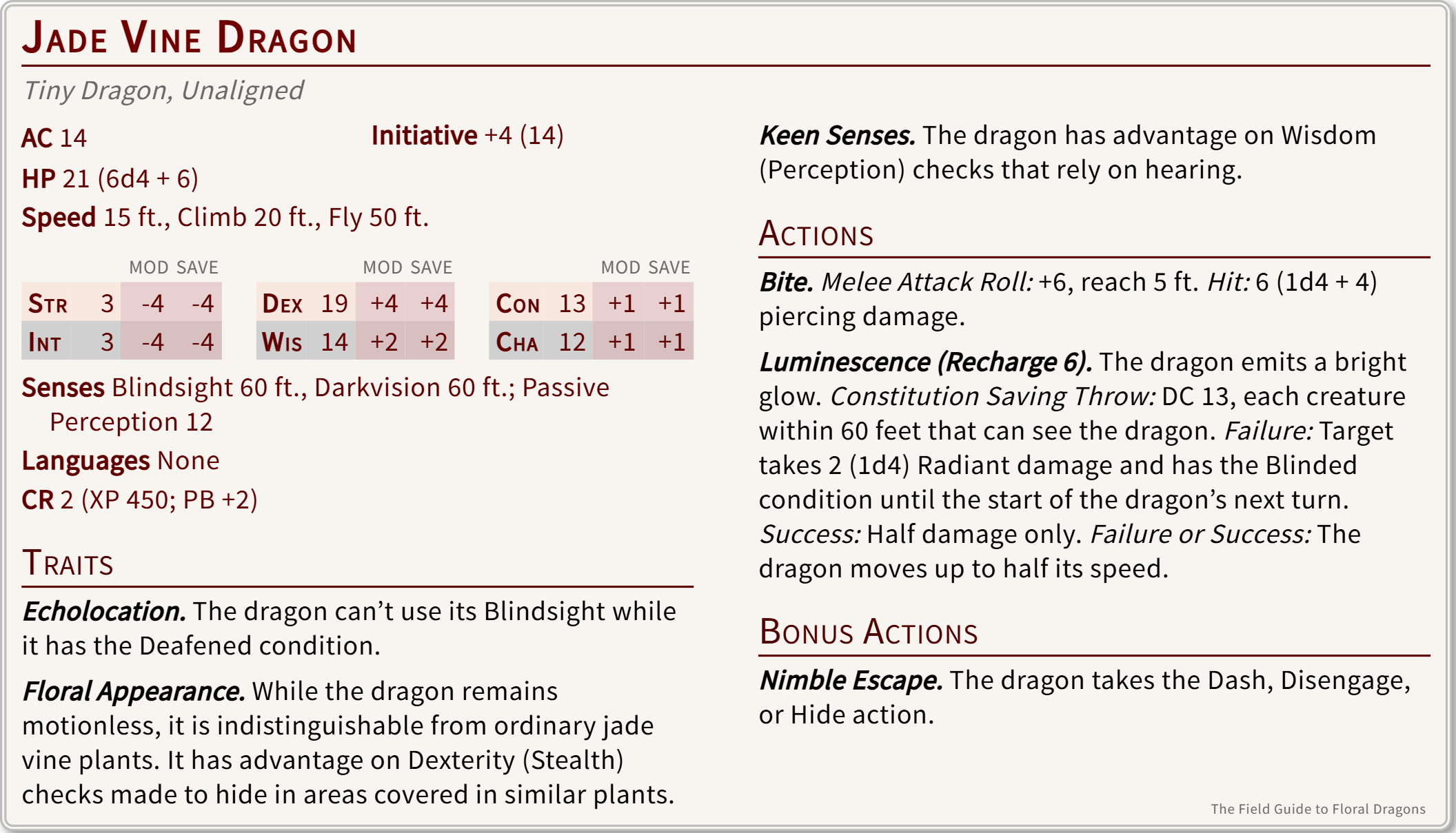
Jade vine dragons range from 2 to 10 inches long and live for around 40 years. A jade vine dragon’s ears contain complex inner structures that allow them to use echolocation. They also have forked tongues, which help them navigate through touch and smell. Despite their size, jade vine dragons can fly long distances with their bat-like wings, which also function as their forelimbs. They excellent climbers and are often found hanging upside down among clusters of true jade vine plants.
Vibrant spiked teal flowers grow in a row down the dragon’s spine and all over its bulbous tail. In addition to flowers, jade vine dragons occasionally produce large seed pods containing dark, bean-like eggs. These weigh the dragons down as they grow on their backs, making the parent particularly vulnerable. If planted, the eggs inside hatch into jade vine wyrmlings that take around 2 years to mature.
The jade vine dragon’s signature turquoise coloring allows it to hide among jade vine plants. As bats are the main pollinators of a jade vine dragon’s flowers, the dragons call to the bats at frequencies inaudible to humanoids, encouraging them closer. Bats like to feed around and from jade vine dragons as they provide some protection from predators as well as nectar.
When the dragon squeaks and while it sleeps, its petals glow softly. If threatened, a jade vine can brighten this gentle glow into a blinding light. The dragon’s other natural defense is its sharp teeth. A jade vine dragon’s surprisingly powerful bite is identifiable by the twin punctures from its prominent incisors. Their diet consists largely of insects supplemented with nuts and seeds.
Izora
After Amina told me about the little dragon hiding within the heliconia, I had to find the jade vine dragon for myself. I stumbled upon a whole blooming of them living in a cave.
I saw them open their mouths. They had the tiniest little teeth! Their petals were also glowing softly.
Habitat
Jade vine dragons live in humid caves, tropical ravines, and dense forests. The dragons require warmth and migrate when the weather changes to escape the unsurvivable cold. Jade vine dragons live in stable bloomings in places where it is warm year-round.
Caption
Fig. 2 Jade vine dragons are powerful fliers and can cover 60 miles in one night.
Jade vine dragons have friendships with the heliconia dragons that share their habitats. The two species often frolic together, with heliconias playfully chasing the smaller jade vines as they hop from branch to branch. They have also been observed nuzzling one another affectionately and sharing food. Their relationship is also practical. The jade vine dragon’s sharp teeth enable it to eat insects that would otherwise bother the heliconia dragon. In return, the heliconia dragon offers shelter, allowing jade vine dragons to tuck themselves under its broad wing leaves. The heliconias protect jade vine dragons from the elements. The two dragons are mostly active at night, and they warn each other of predators during the day.
Humanoids have found that caring for jade vine dragons presents several challenges. Domesticated jade vine dragons must be kept in artificial caves or forests with a carefully controlled climate, including the temperature, humidity, and lighting that they would enjoy in the wild. Living in the wrong conditions can cause the dragon to become sluggish. Unfortunately, those who keep them for show prefer it when the dragons are still, making it easier to admire their beauty. Eventually, a dragon kept in this way will wither and die as they refuse to feed.
Jade vine dragons also require open space to fly around and exercise; without sufficient space, the dragons become stressed. As sociable creatures that live in large bloomings, jade vine dragons should be kept in groups of five or six at minimum, ideally with heliconia dragons. Lonely jade vine dragons become understimulated and miserable.
Behavior
A jade vine dragon’s diet consists primarily of insects supplemented by fruits and seeds. For forest-dwelling jade vine dragons, the fruits and seeds that fall from a magnolia dragon’s tail are an easy meal. Though they are social with other friendly floral dragons, the tiny jade vine dragons are easy meals for larger predatory species, such as the larkspur and vampire lily dragon.
When a jade vine dragon is attacked or threatened, it would rather flee than fight. It uses its flying and climbing capabilities to put as much distance between itself and its attacker as possible and then searches for a safe place to hide until the danger has passed. If the attacker is capable of flight, the jade vine dragon activates its luminescence to blind its pursuer, granting it an opportunity to escape.
Jade vine dragons are attentive parents. Once their eggs hatch, they help the wyrmlings climb up trees or carry them into caves to safety. In areas where food is scarce, the parents ensure that their babies are fed, even if it means going hungry themselves.
Izora
Jade vine dragons are almost as cute as dandelion dragons! I saw one spreading its wings, and the colors were so gorgeous I couldn’t look away.
The dragon seemed so happy to be flying around. I saw it enter a cave, which must be where it lives.
Personality Traits
Jade Vine Dragon Personality Traits
| d8 | Trait |
|---|---|
| 1 | It’s hilarious when I activate my luminescence, and everyone else squeezes their eyes shut. |
| 2 | Everything is more fun upside-down, even eating and flying. |
| 3 | I don’t want to be noticed and am always hiding. |
| 4 | I never go anywhere without my heliconia dragon best friend. |
| 5 | When I bite, it means I like you! |
| 6 | Climbing is the greatest joy in life. |
| 7 | Even the slightest chill is too cold for me. |
| 8 | Migrating is so much effort, and I resent that we have to do it. I’m always the last to leave. |
Motivations
Jade Vine Dragon Motivations
| d6 | Motivation |
|---|---|
| 1 | I never want to leave the safety of my blooming. |
| 2 | A magnolia dragon protected me from a larkspur dragon. I must repay the favor. |
| 3 | I want to learn how to fight instead of flying away like a coward. |
| 4 | My heliconia friend has been singing with a larkspur dragon recently. I want to be with my friend but I’m afraid the larger dragon will eat me. |
| 5 | I’d love to raise a family of my own someday. |
| 6 | I want to escape captivity with my blooming and find a place where we can live safely. |
Adventure Hooks
Caption
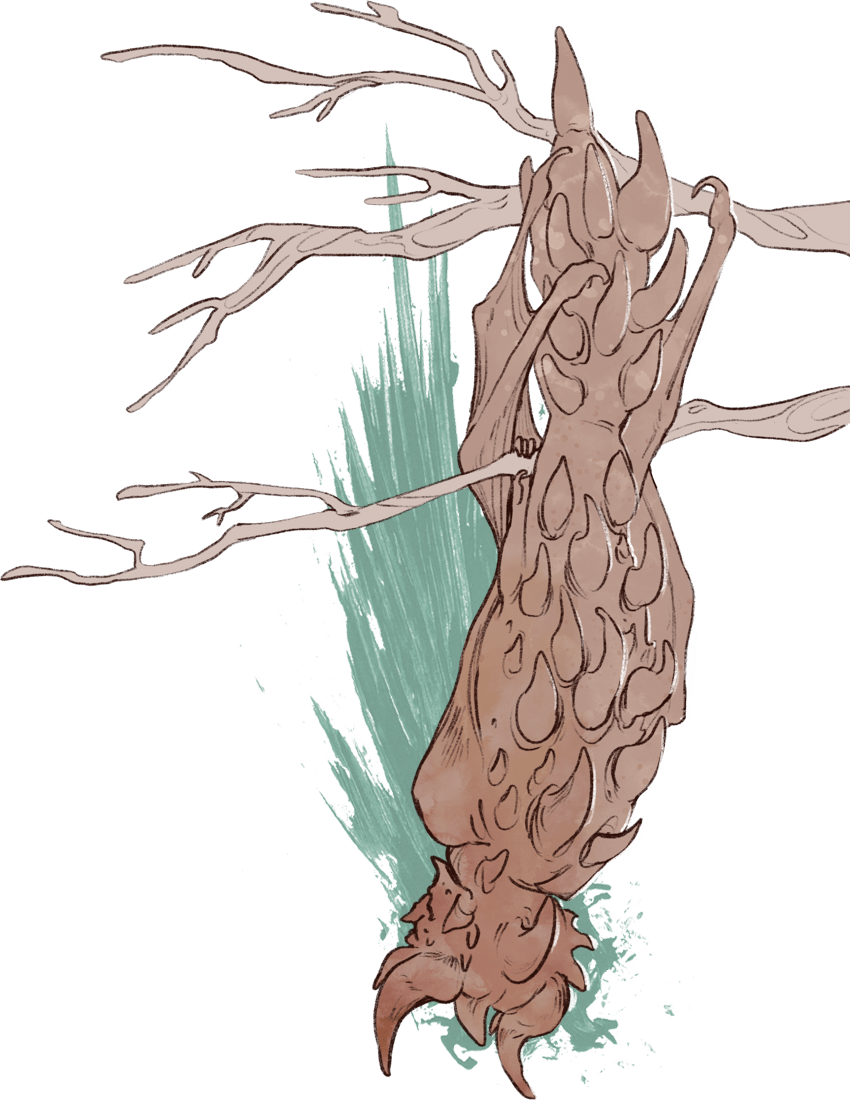
Fig. 3 Jade vine dragons hang upside down to sleep.
Here are ways to include jade vine dragons in your game.
| d4 | Adventure Hook |
|---|---|
| 1 | A blooming of jade vine dragons has fled a cave to escape mining activity and taken up residence inside a villager’s shed. The villager doesn’t have the time or resources to care for the dragons and needs help relocating them. |
| 2 | A logger needs an enormous quantity of wood to keep their business afloat. They have set their sights on a forest that is home to several jade vine dragon bloomings. A druid circle hires the party to prevent the logger from harming the dragons. |
| 3 | A jade vine dragon wyrmling has gone missing from its conservation reserve. The dragon’s caretakers suspect theft and ask the party to track it down. |
| 4 | A gang is illegally breeding jade vine dragons to sell at exorbitant prices without any regard for the dragons’ wellbeing. One of the gang members approaches the party out of guilt and asks them to stop the operation. |
Izora
I checked on the dragons again and found even more of them. They were all hanging upside down, fast asleep. Their flowers emitted a soft glow in the dark.
As I watched, I noticed some smaller dark shapes nearby. I squinted to look at them and realized they were bats drinking the nectar from the sleeping dragons. Fascinating!